Lesson 2 – Color Wheel & Care of Art Materials
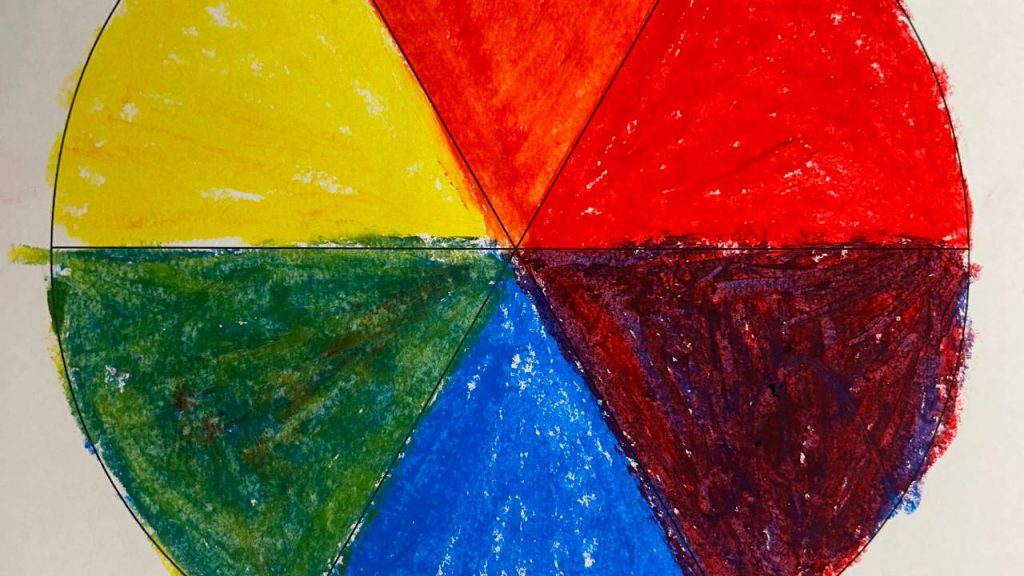
Though we lightly introduced the relationships between colors in the previous lesson, the color wheel is one of the most effective ways to visualize this concept for student artists.
Lesson 1 – Color Mixing: Write About Favorites
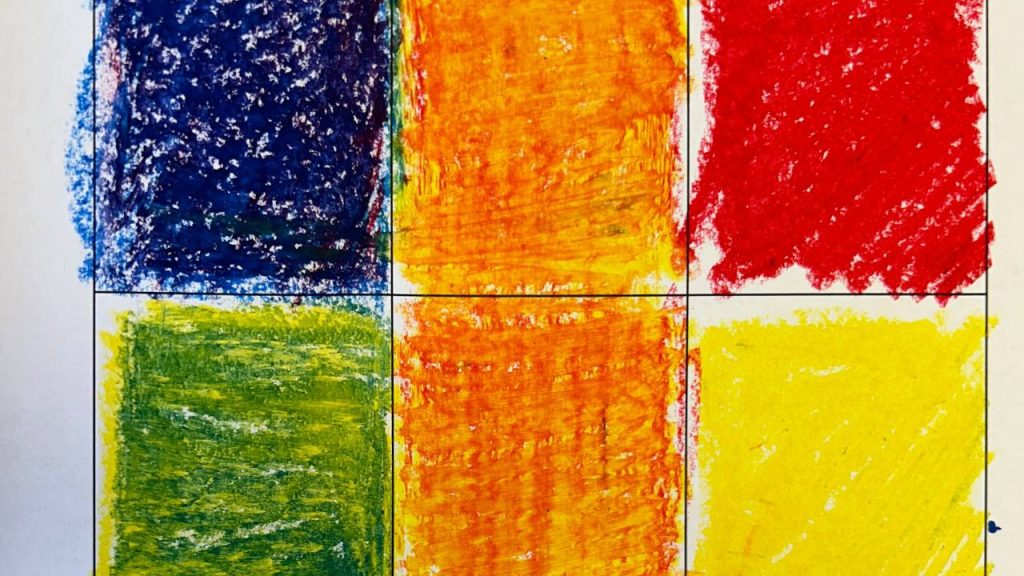
Color mixing is a great way to help students explore the art element of color. It serves as a stepping stone to talking about the color wheel and learning about primary and secondary colors.
Lesson 5 – Museum
Completing a virtual class museum trip is recommended at least three times over the course of the year to ensure a well-rounded art experience for the students.
Lesson 4 – Making an Image Out of Lines
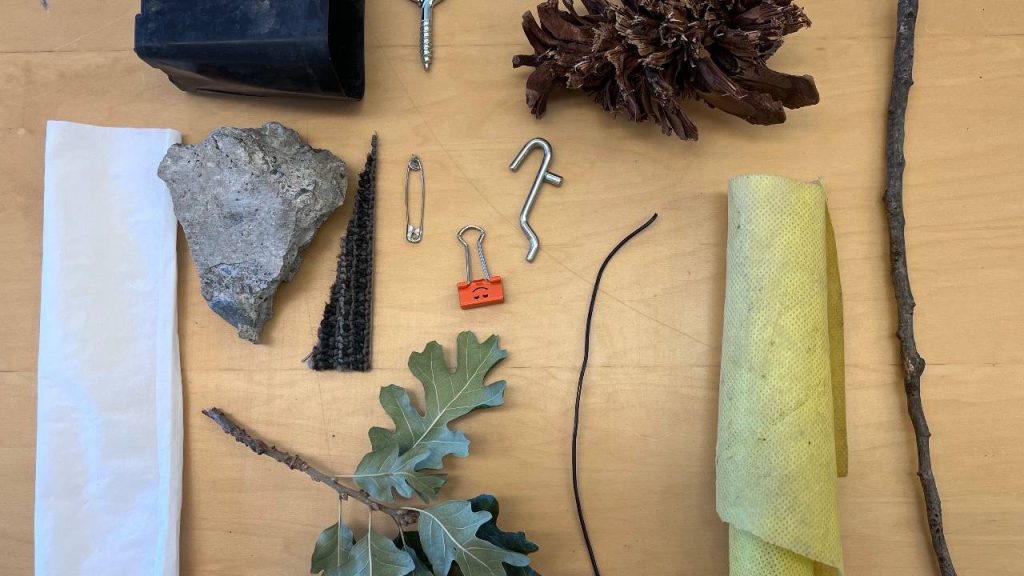
One of the objectives for our DYIA art kit is for students to embrace the “oops.”
Lesson 3 – Look for Lines: Make Diagrams
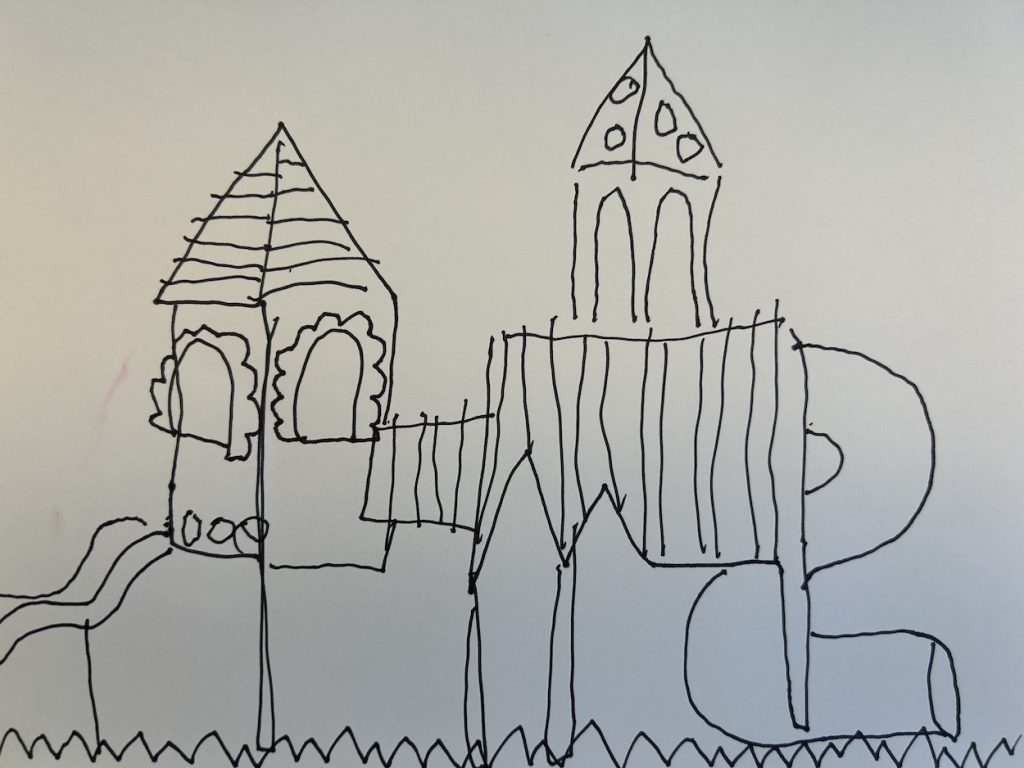
Lessons 1 and 2 in this unit introduce the concept of art through brainstorming and play.
Lesson 8 – Capstone 1: Silhouettes
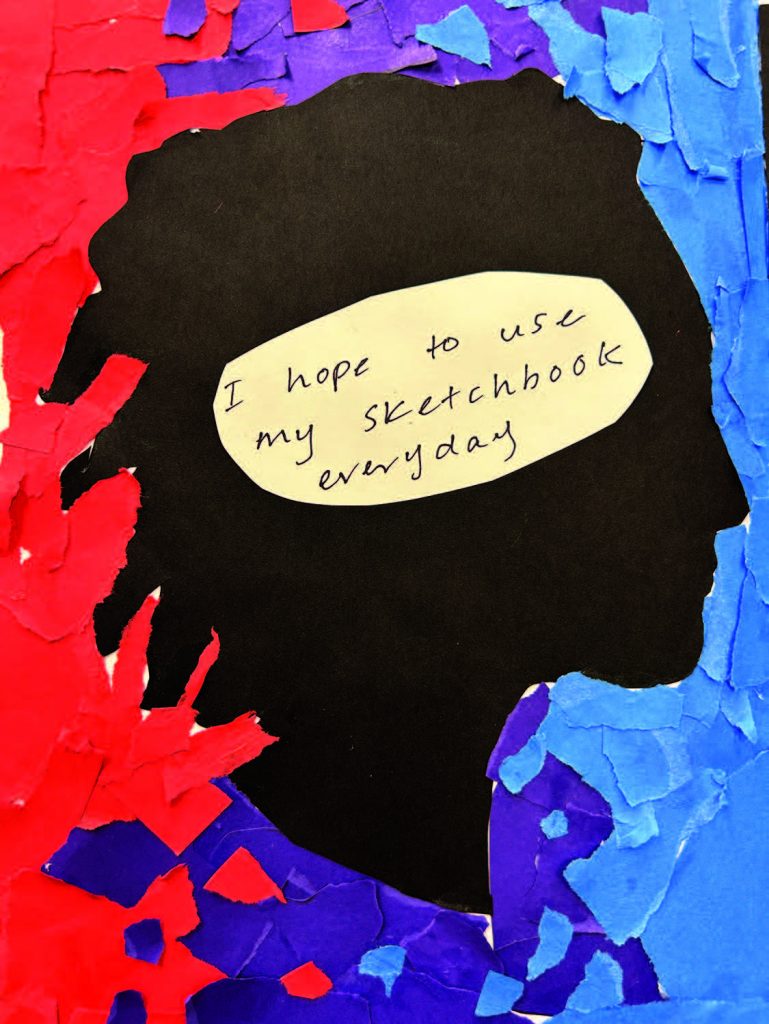
Students will combine everything they have learned about how artists use their materials in order to create their first self-portrait.
Lesson 2 – More Talk About Art: Elaborate on a Line

Developing artists will have several opportunities to create line-based art using a variety of materials and techniques.
Lesson 1 – Mind Mapping: What’s on Your Mind Today?
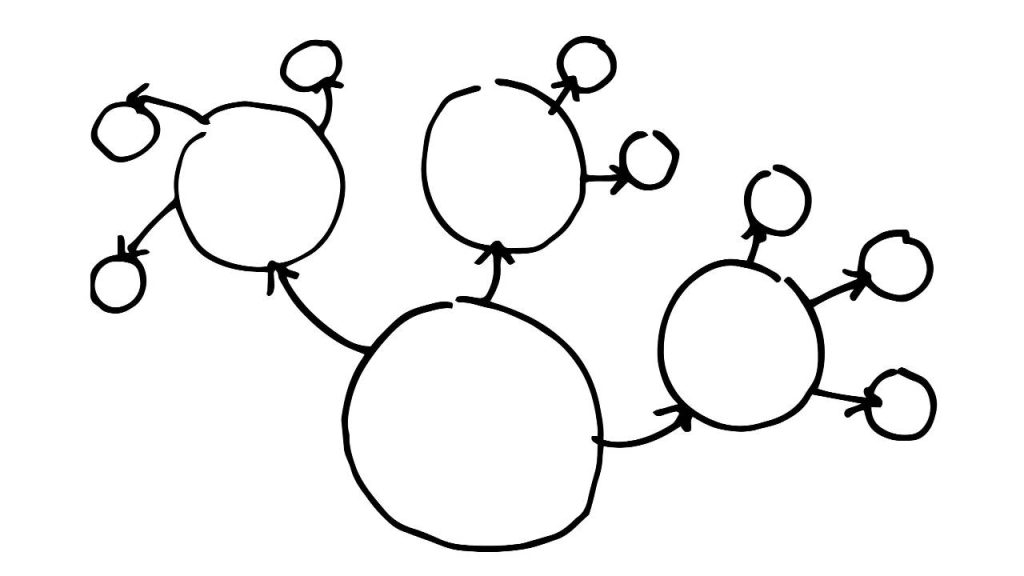
This lesson introduces a method for brainstorming modified for this developmental stage and extends on previous lessons about how artists get ideas for their work.
Lesson 7 – Negative Space: City Scene
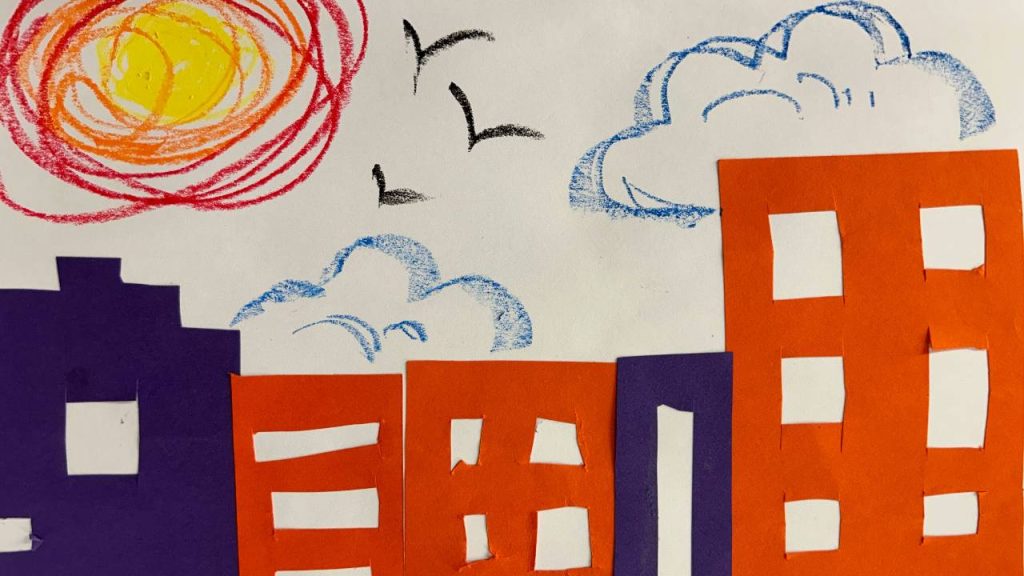
This lesson is an introduction to the concept of negative and positive space in art, which describes the space around the subject of an art piece (negative) and the subject itself (positive).
Lesson 6 – Collection Expedition: Blind Contour Drawing
As you likely know by now, this first unit is all about how artists get ideas through experimentation with their art materials and brainstorming.